A Garden, Six Impulses
Pla ART AGENCY presents A Garden, Six Impulses
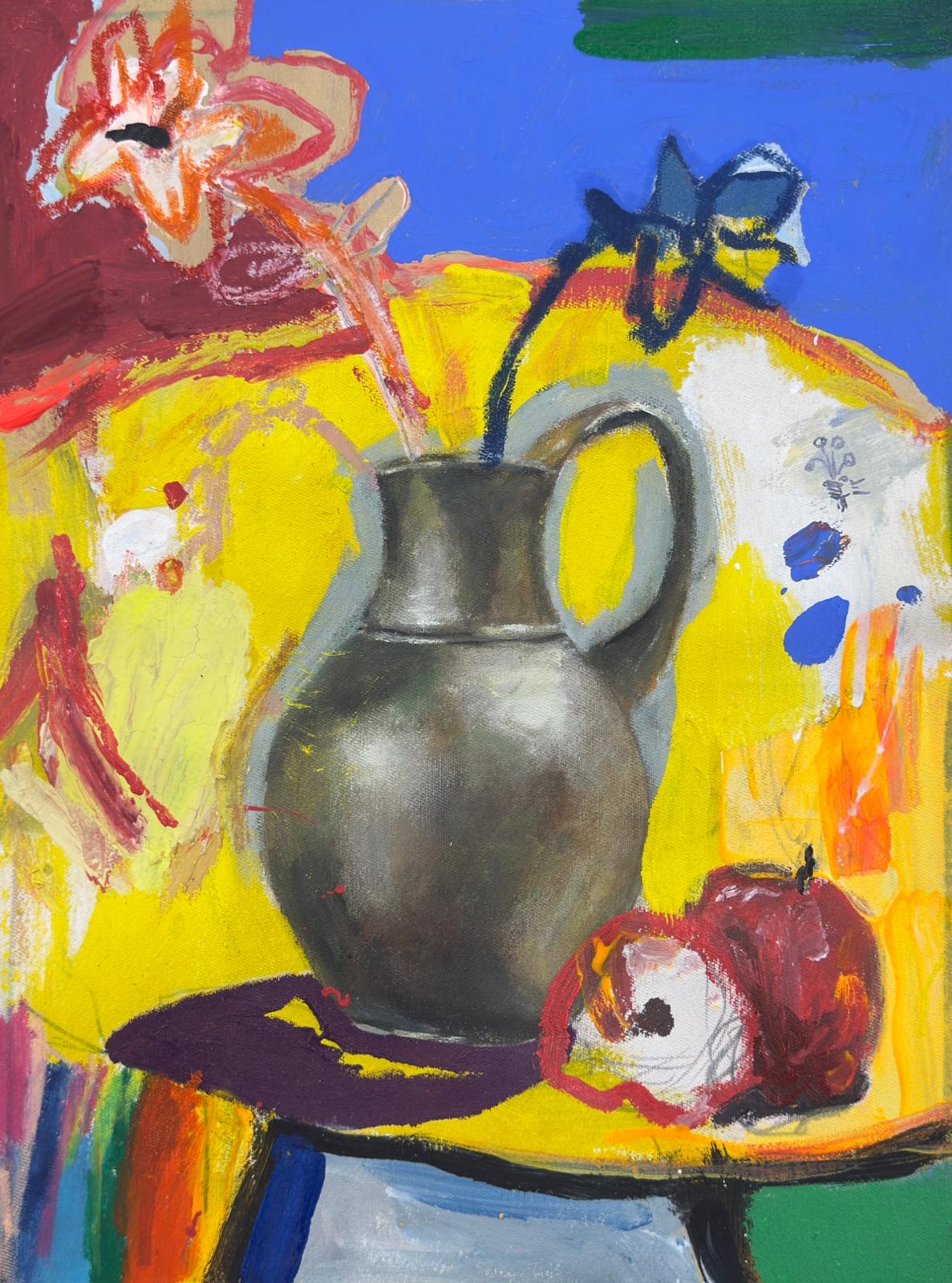
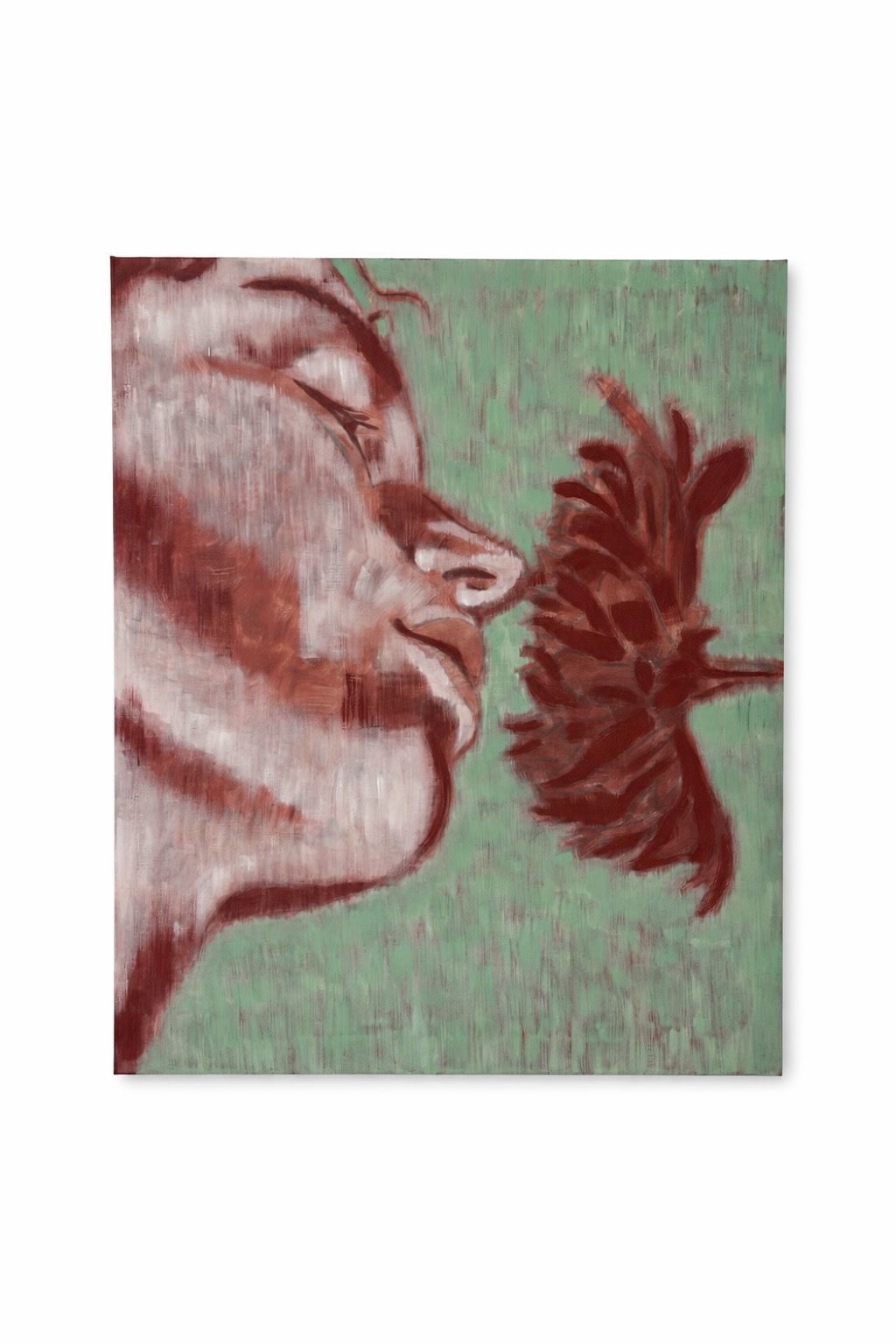
A group exhibition composed of works by six artists who share a common impulse: a return to the origin. The show features pieces by Julia Anna, Jaume Cremades, Marco Laborda, Alfonso Reyes, Andrea Van Eyck, and Ronald Zambrano. Their works intertwine in an emotional garden where feeling becomes the guiding thread and art emerges as a shared experience.
The exhibition unfolds as a slow pulse of the subconscious, a quiet anticipation before blooming. Before form, color, or reason, the viewer is invited into an intimate encounter with what lies latent.
The exhibition text, written by independent curator Gabriel Pons, begins with the idea that art is, above all, feeling—echoing John Constable’s 1821 assertion: “Painting is but another word for feeling.” The exhibition invites us to forget, even if just for a moment, the transcendence of concepts and to allow each work to rest upon its primordial essence: emotion.
“A Garden, Six Impulses” begins with the metaphor of the garden as a mirror of the soul, an inexhaustible space where every corner harbors an impulse and a story. Here, creation is woven through the thread of expression, as a deep desire to externalize what remains within and to offer the viewer a reflection of themselves.
The exhibition proposes an oasis: a vast territory where color and darkness coexist, where calm and intensity intertwine, where fragility meets what is elemental.
It is a garden composed of six individual plots, each with its own identity and unique rhythm, yet all connected through a shared emotional fabric.
“A Garden, Six Impulses” invites us to enter a space where emotion ceases to be a weakness and becomes a form of strength: a refuge of empathy and sensitivity, where what we have once felt becomes tangible and transforms into a shared terrain.
A GARDEN. SIX IMPULSES.
Text by Gabriel Pons
“Painting is but another word for feeling.” – John Constable, 1821 [1]
What intertwined thread can we find in art? If we forget, for a moment, the transcendence of concepts—setting aside descriptions, interpretations, and justifications—and allow everything to settle into its most primordial essence, we reach an undeniable conclusion: the thread that weaves together every work is feeling, that force that makes it vibrate and reveal itself as the cause of emotions.
Then, the idea of a garden appears: a beautiful and inexhaustible space, full of small recesses where the human soul expresses itself in all its facets, where creation is woven through the filament of expression. A creation born from the profound desire to externalize what is enclosed within us, so that an external observer may contemplate the green landscape and see their own being reflected in it.
Beyond the tangible arrangement of nature, the garden has served countless times as a mirror of the soul. An omnipresent character in world literature, its traits often echo stories waiting to be told. A symbol of the most varied and primal emotions, a metaphor that has maintained its relevance throughout the centuries.
Since the great works of classical antiquity, orchards and meadows have served as evocative settings for the transmission of sentiments. From the garden as a symbol of paradise and perfection, to a nostalgic look at the past, or even a space of conflict, these enclosures have reflected the human psyche—manifestos in which one can observe oneself before the governed grandeur of nature.
Let us imagine an oasis: a vast space whose branches embrace both darkness and color; where calm and healing exist alongside impulse and pause, fragility and the primordial. A meadow woven by a thousand hands, a meeting place for understanding, a territory where every emotion finds its ground.
Imagine that the physical space is this expansive garden containing all the meanings described above. We find six plots with individual stories and impulses that intermingle with one another. A wide oasis that unfolds in small pockets of unique identity, whose emotions and impulses weave together to form a shared metaphor reflected in nature.
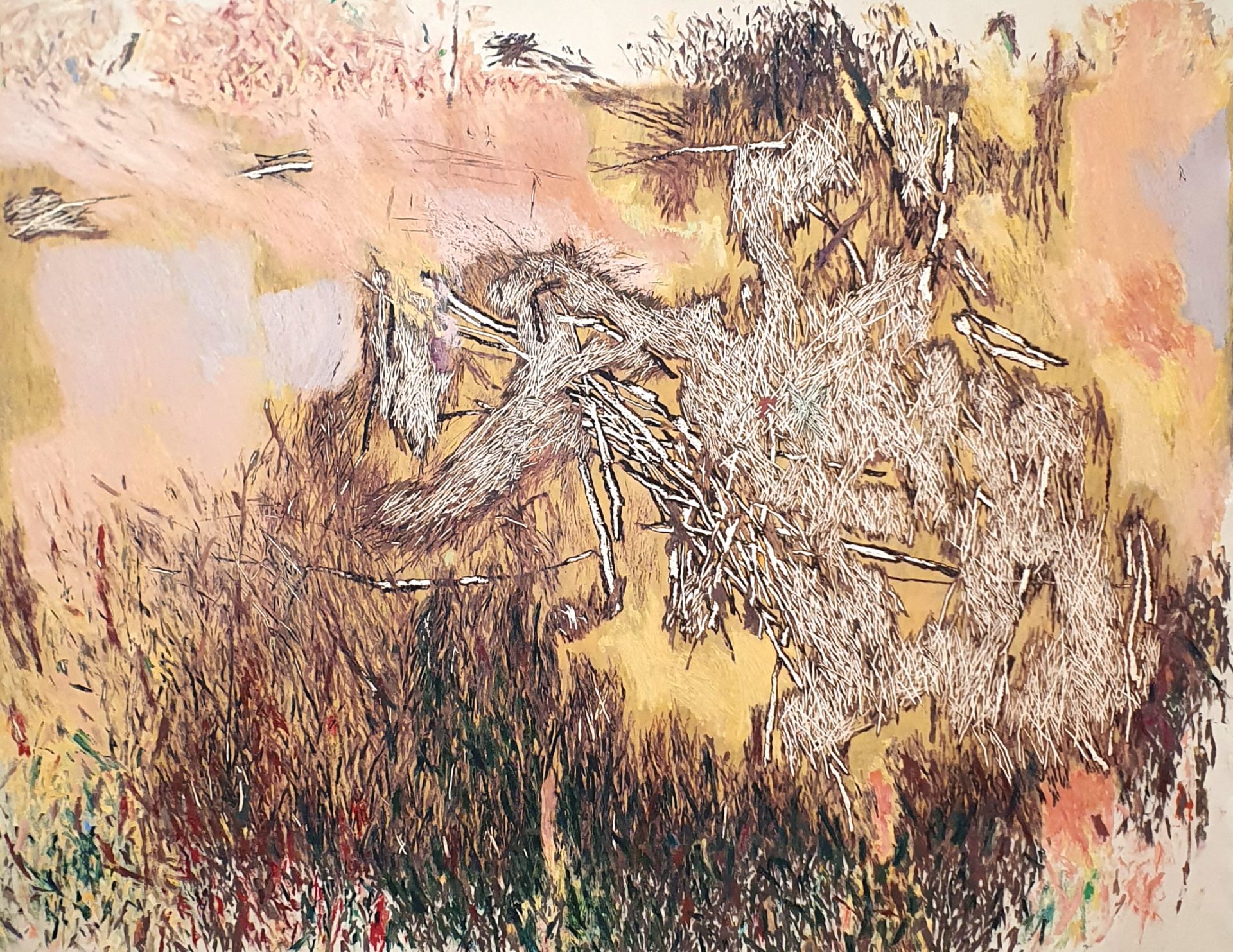
L. Within the garden, a small orchard is sheltered, where nature grants itself time: it germinates and grows according to its own intimate rhythm. A watchful silence takes over the grove, like a quiet promise of what has not yet occurred.
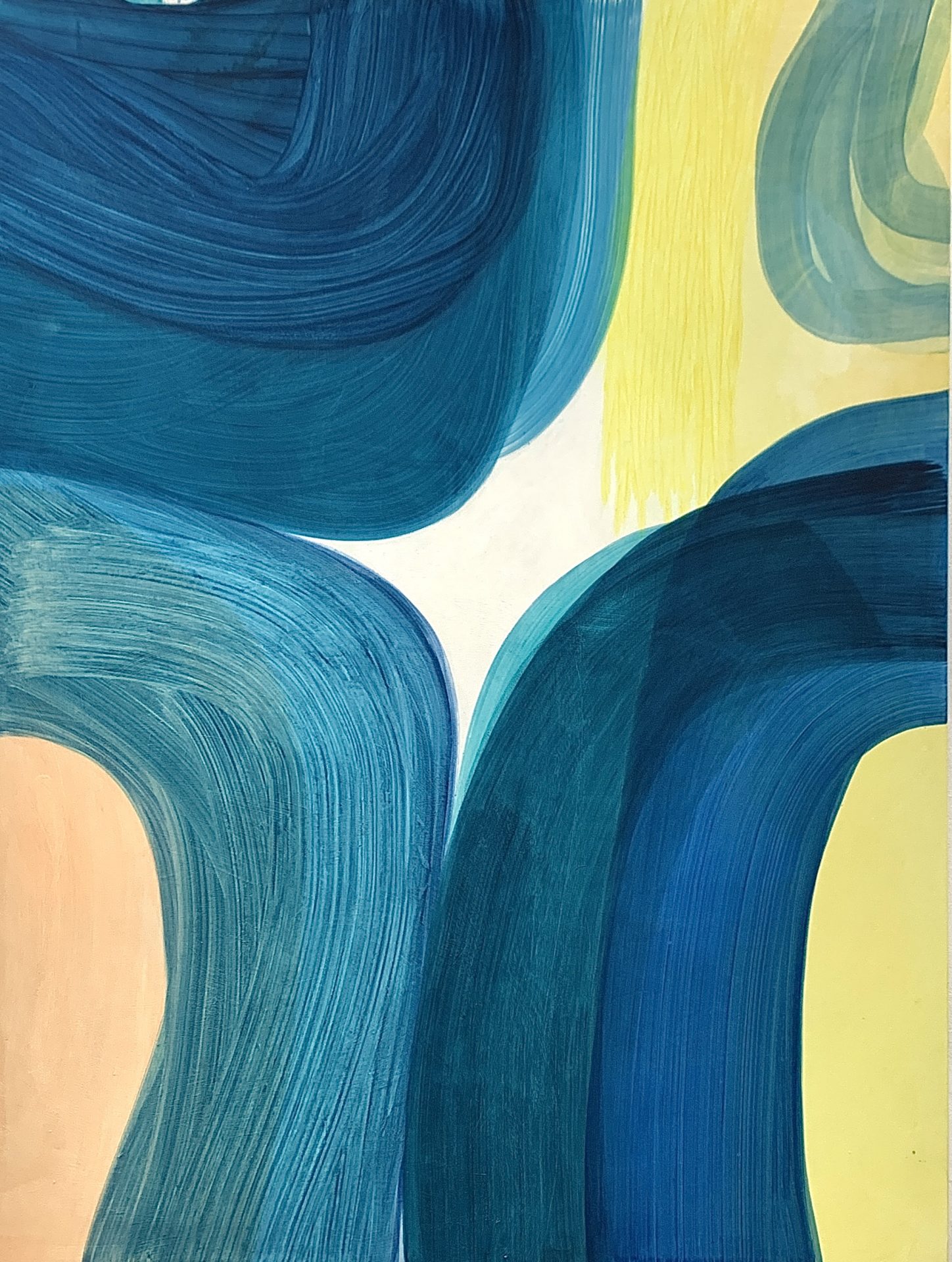
Z. In this edenic space, there is a plot where consciousness withdraws to make room for the most instinctive dimension of color. A serene confrontation unfolds between a conceptual line and the ancestral inheritances of various cultures—a silent dialogue that transcends time.
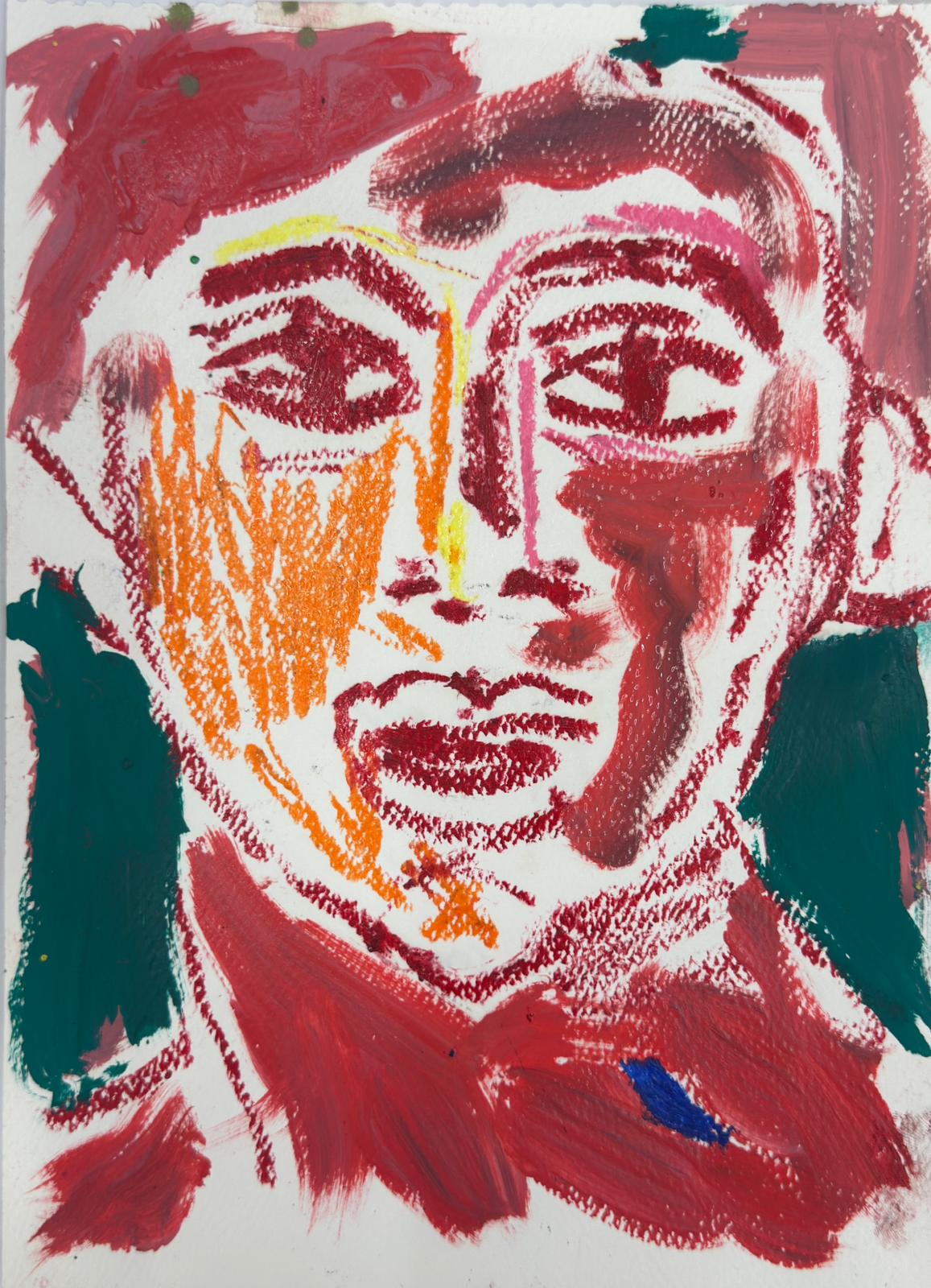
R. In one corner of the vast garden, an explosion of color emerges, born from an urgent impulse toward expression. Gesture takes center stage, asserting itself as territory and voice through a chromatic whirlwind that seems to travel through every fiber of this vibrant space.
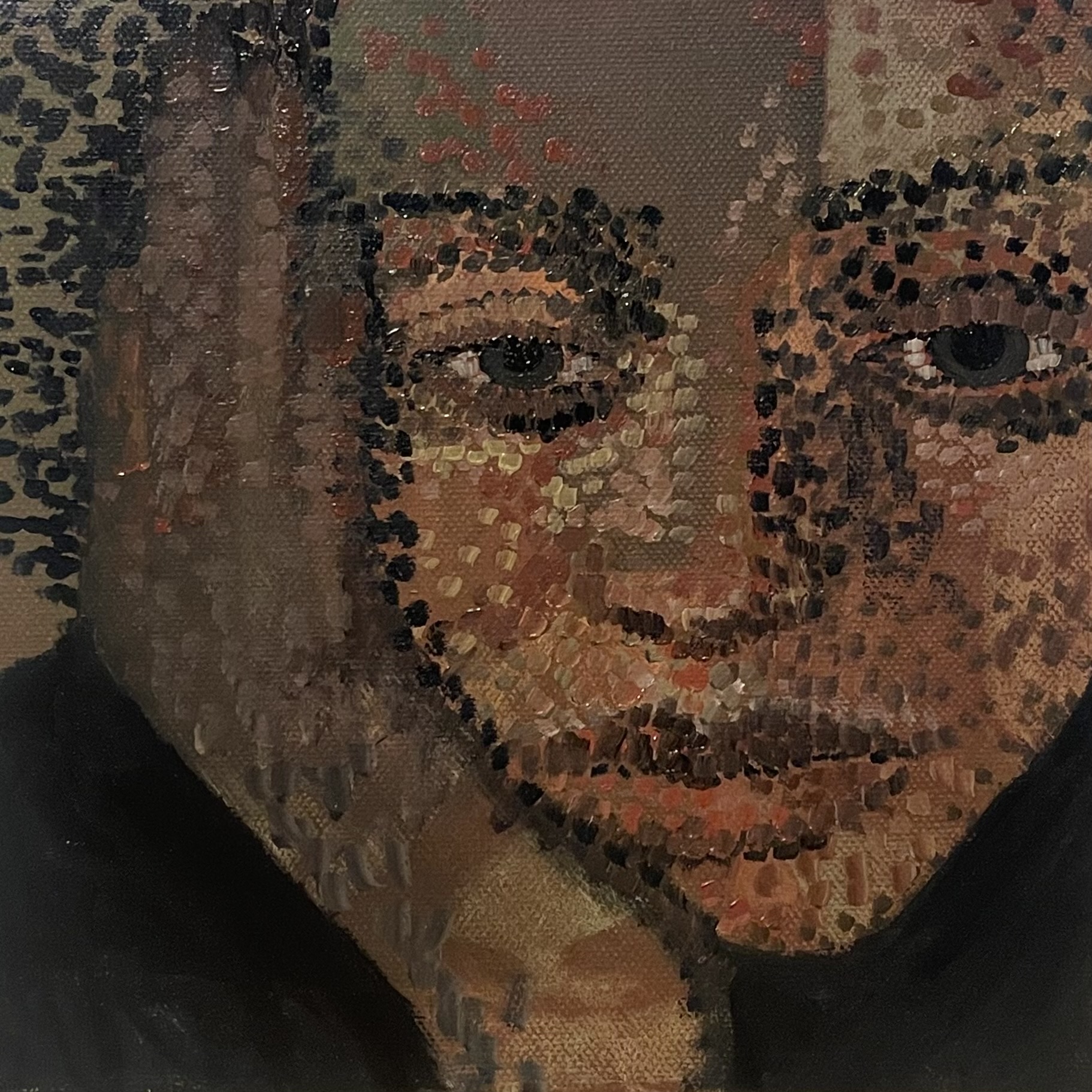
A. We enter an intimate space, sheltered from the world, where fragility becomes strength through community. A tranquil grove of shared emotions, of stories that intertwine like ivy into a common memory—an invisible thread that binds us.
C. The garden opens, becomes tangible; nature takes on an unusual protagonism as a metaphor for our most primal instinct—a metaphor for an originating impulse, an emotional release manifested in every form, juxtaposition, and color.
A.V. A voice traverses the garden, an unalterable murmur that expresses, with serene force, the sensations held within our vast eden. An invisible thread, a common pulse that gathers and amplifies everything an artist seeks to express. Feeling is the shared language.
Let us enter this vast garden, where everything we have ever felt becomes tangible, where empathy and emotion are not perceived as weaknesses but as forces that sustain and push us forward. A refuge woven from emotions, a garden that brings us together.
GABRIEL PONS
[1] “Painting is but another word for feeling” – John Constable, 1821
Title: A GARDEN, SIX IMPULSES
Dates: 17 to 21