Atocha EN

Simile: Life as a Canvas

768 1024 Info GN

Simile: Life as a Canvas. VE Contemp

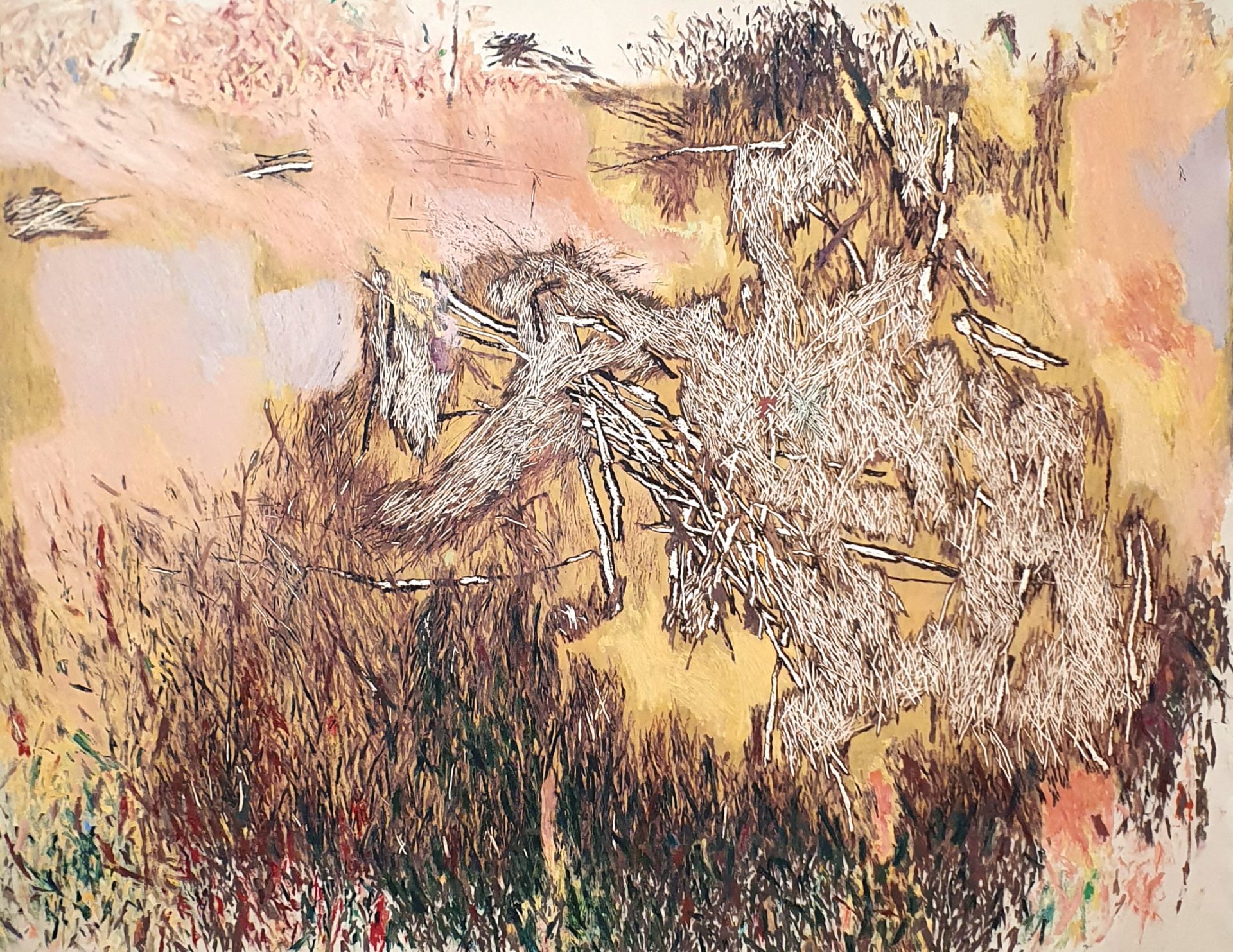
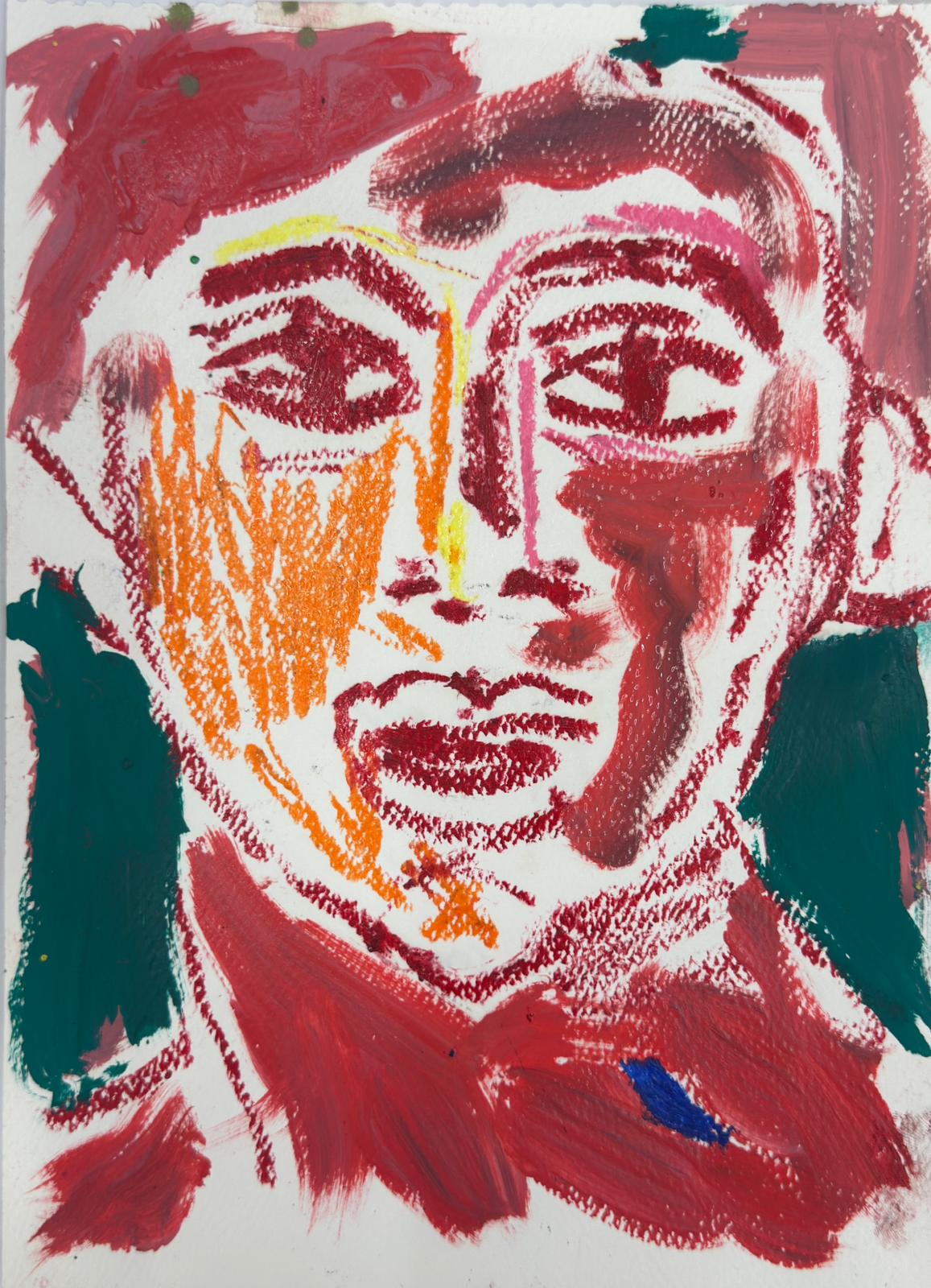
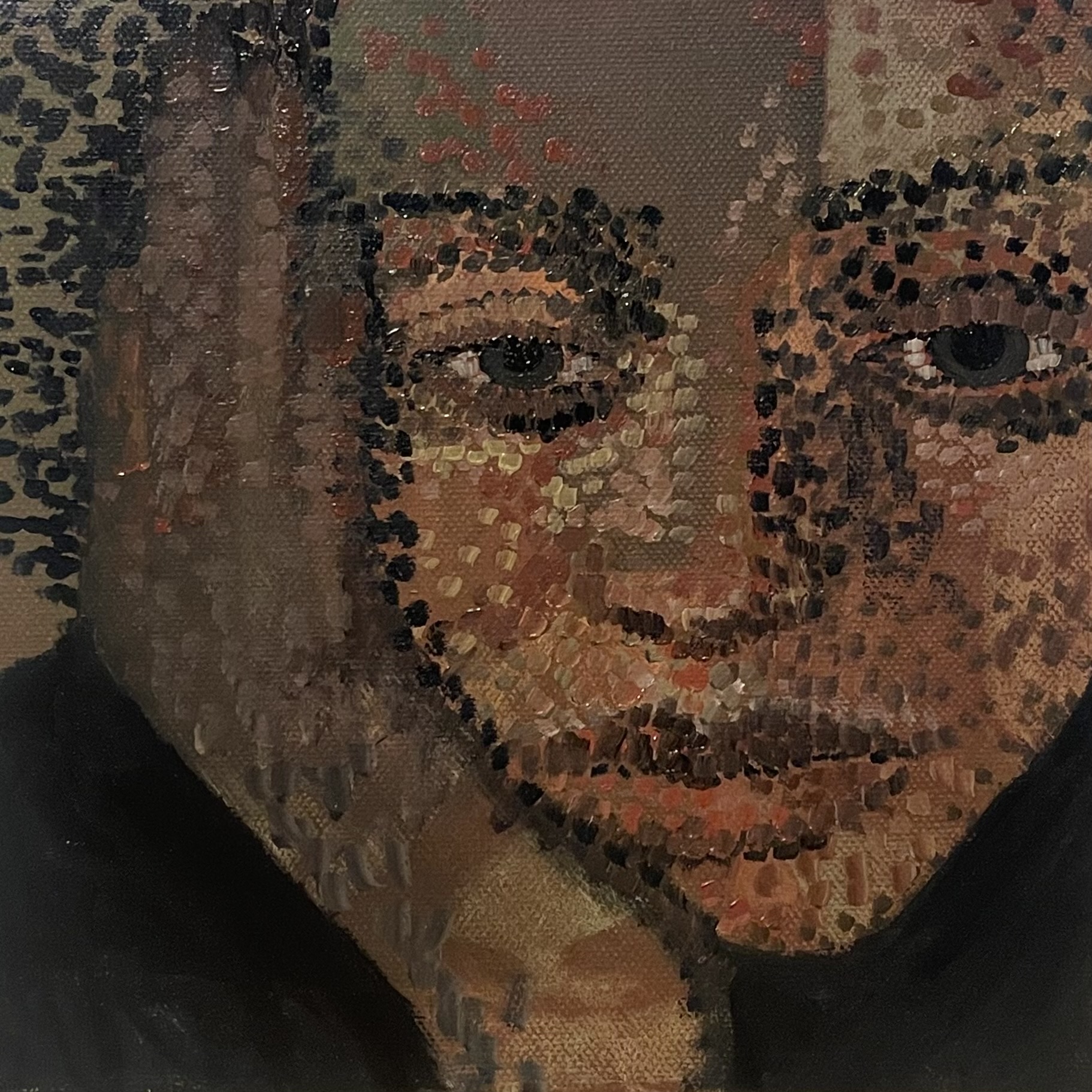
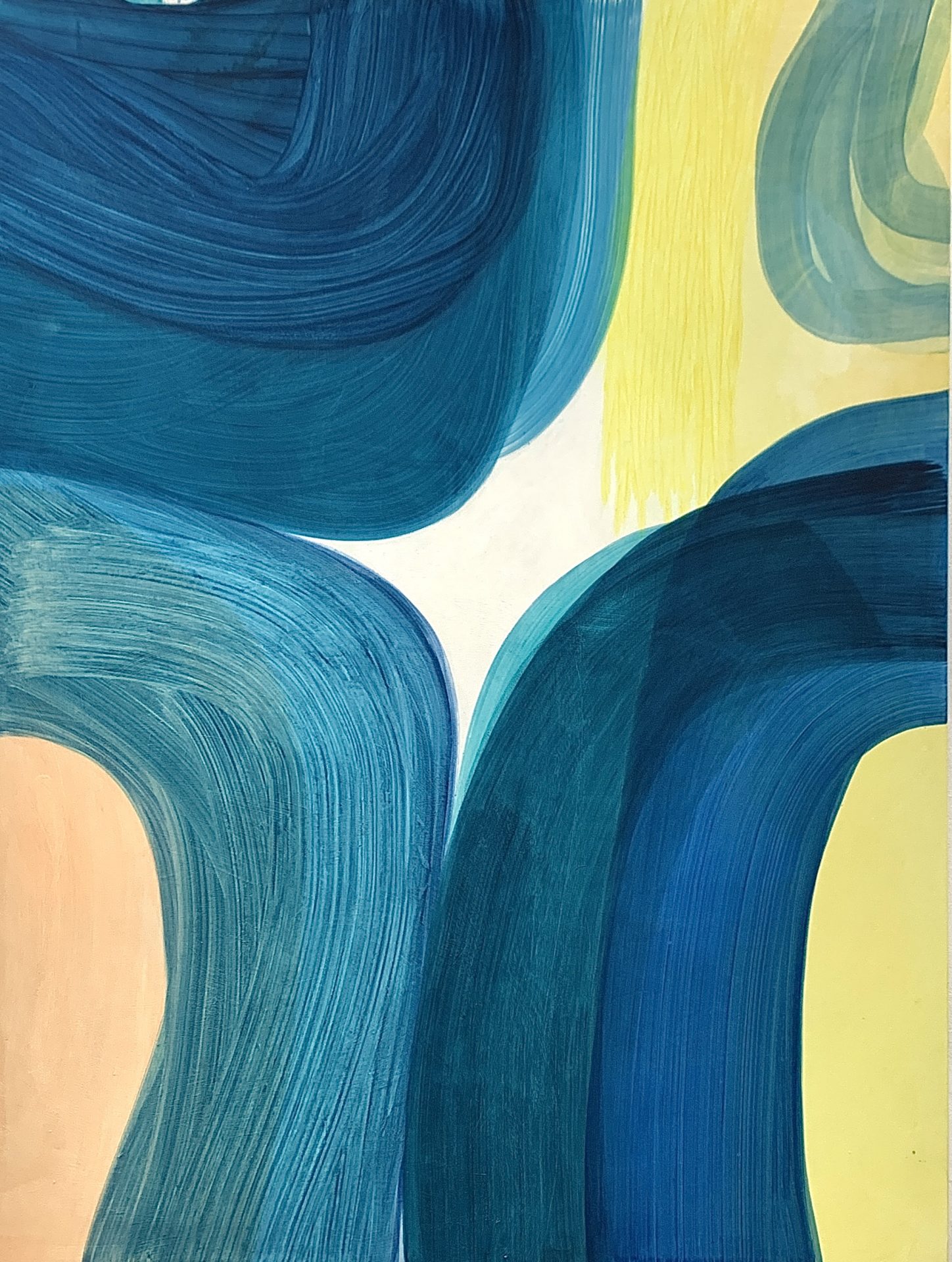
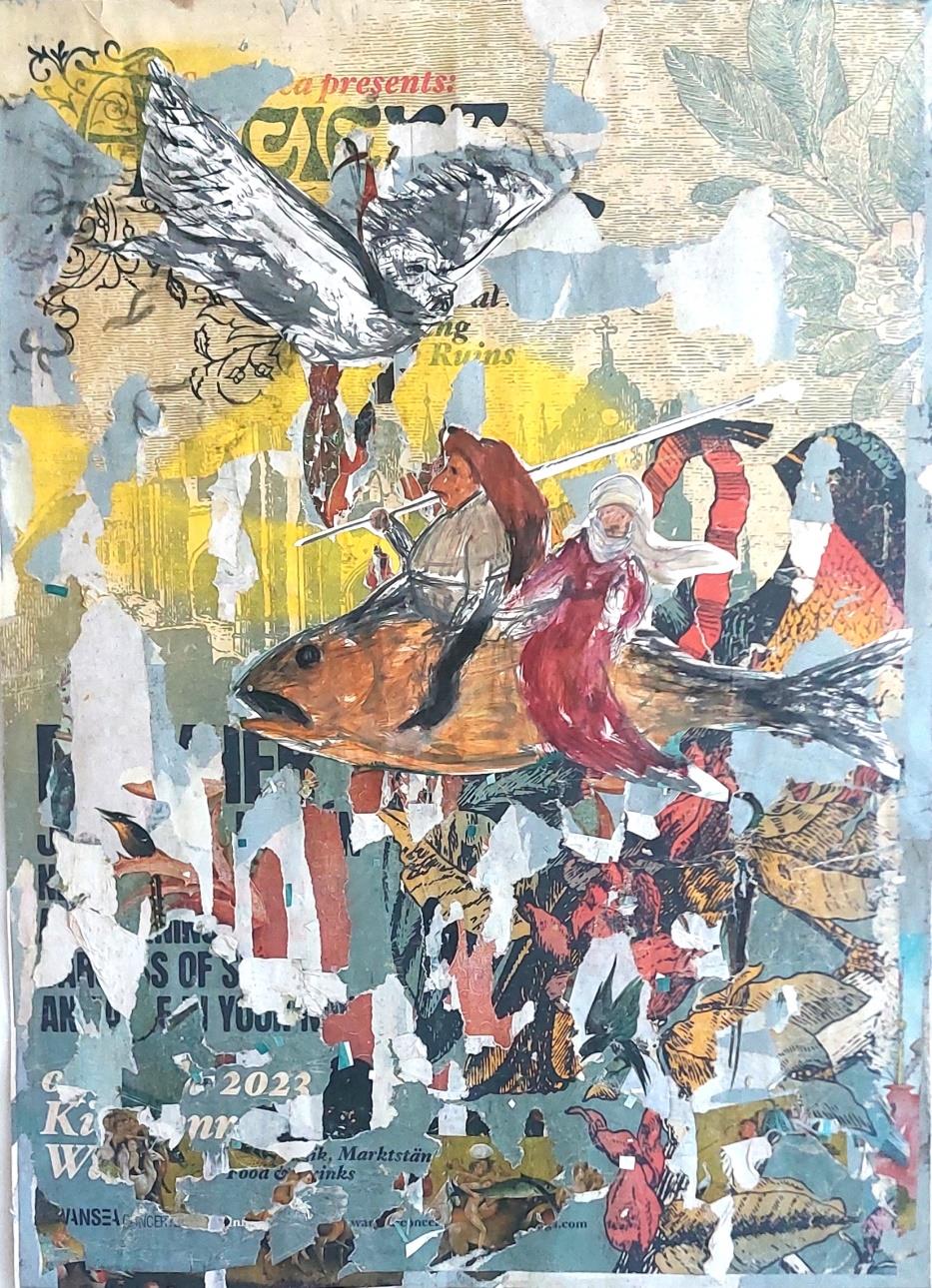
To paint is to observe, interpret, and transform—and when artists turn to
simile, they seek comparisons that make the intangible visible. A simile in
painting, whether explicit or suggested, allows life itself to be represented as
if it were something else: a journey, a storm, a garden, a game, our
struggles, animals, lived experiences, and fantasies. These comparisons add
emotional and philosophical layers that go beyond the image.

Let us imagine life painted as a winding road that disappears into the mist:
each curve, a decision; each shadow, a memory. Or as a fragile vessel adrift
on turbulent waters. In these similes, the canvas ceases to be mere surface
and becomes metaphor. Color, texture, and space do what words cannot:
they suggest the unspeakable.

Throughout the history of art, painters have turned to simile not only to
beautify, but to deepen meaning. In Romanticism, nature was often painted
like the human spirit—wild, sublime, unpredictable. In abstract or
expressionist works, life may appear as an explosion of color, chaotic and
luminous. In modern and contemporary art, similes challenge viewers to
look inward: life as a mask, as a labyrinth, as a stage.

Simile in painting reminds us that life cannot always be portrayed directly. It
must be suggested, evoked, approached obliquely. And in that poetic detour,
we often see it more clearly: life, like art itself, is full of echoes, illusions, and
unexpected truths.

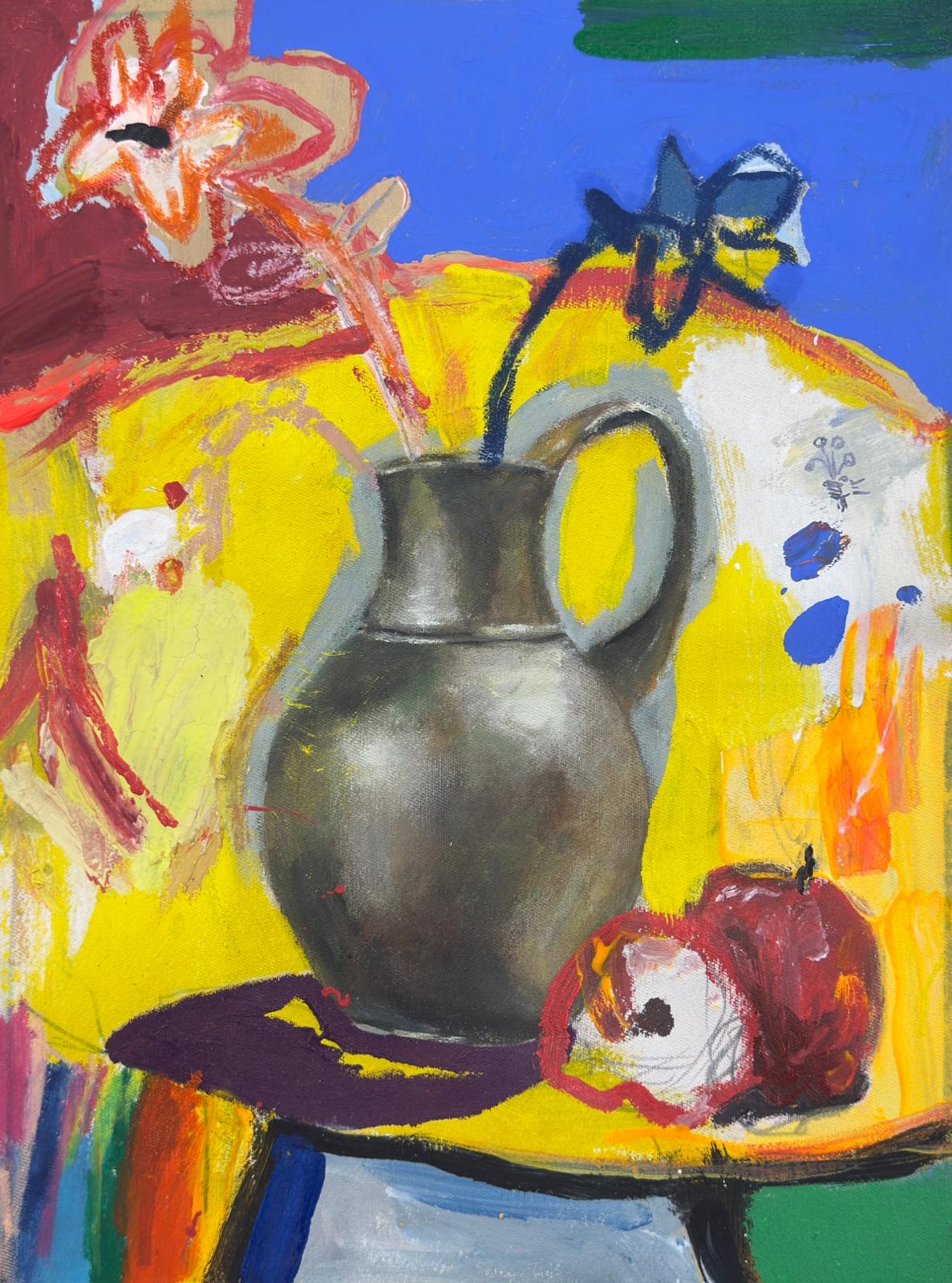
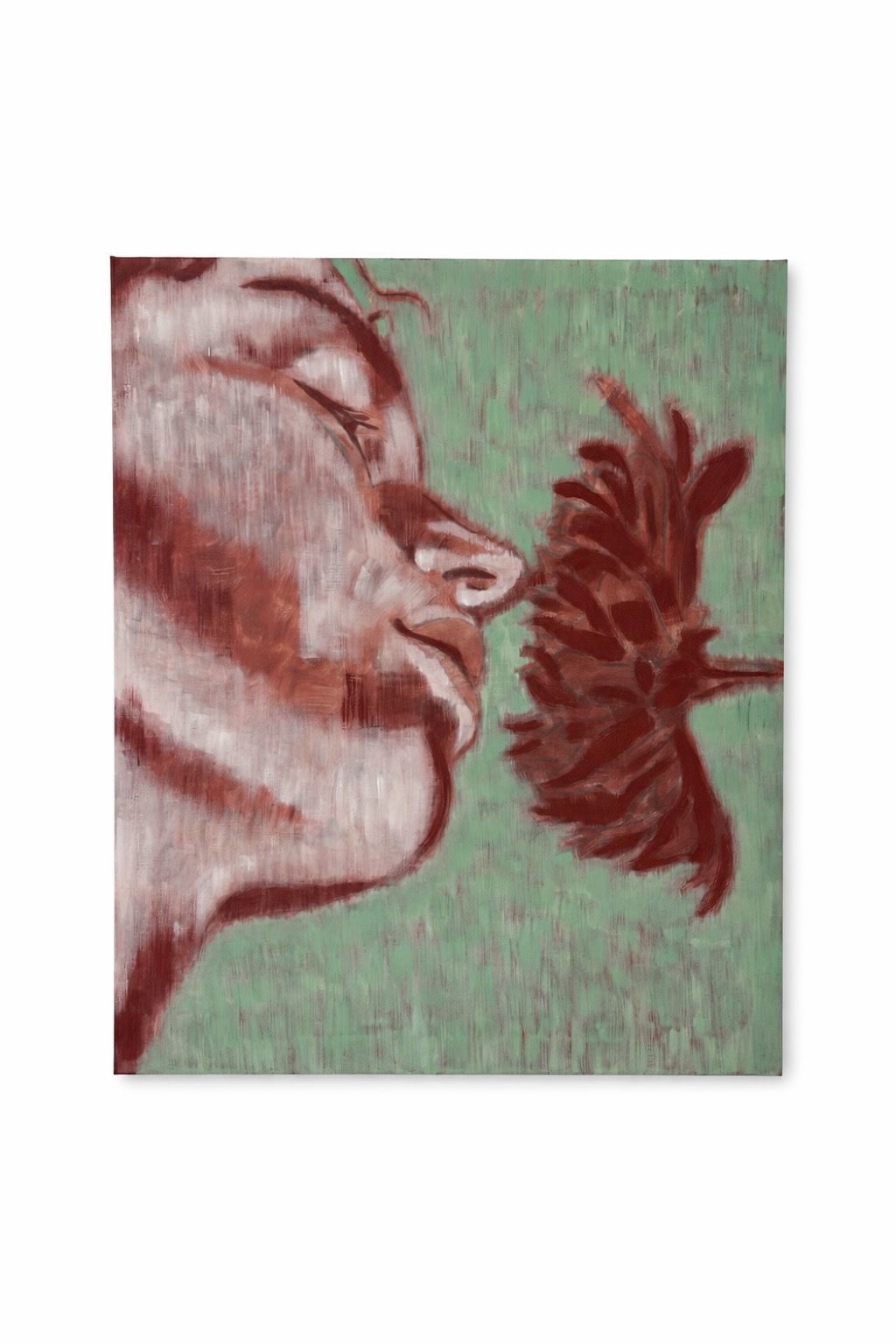
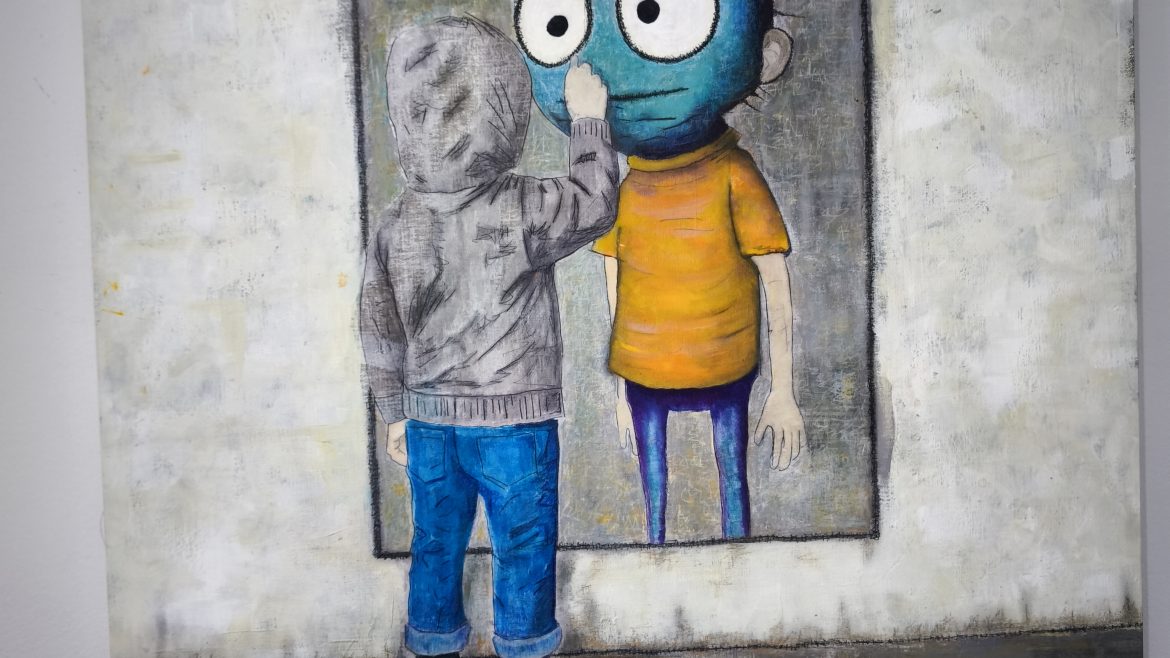
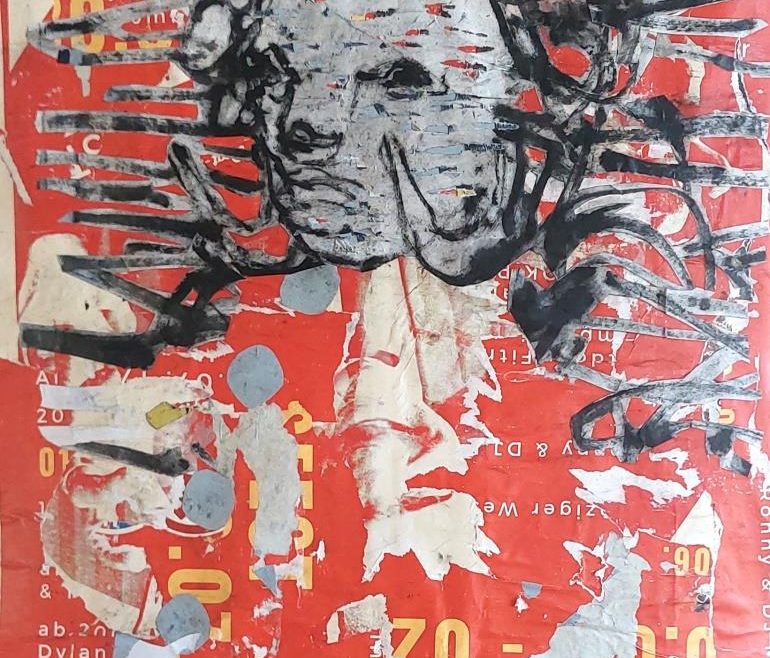
Lucía Ares, Lara Padilla, Myriam Quiel, Dimitri Vojnov, Ella Mello, Eduardo
Alcántara, and José Vívenes come together in this exhibition with their
unique pictorial resources—painting or sculpture—bringing us closer to our
own interpretation of simile in art.

All the images will disappear

991 659 Info GN

All the images will disappear. Curated by Semíramis Gonzalez in Festival OFF PhotoEspaña

All the images will disappear

This curatorial project, presented at Galería Nueva – Atocha as part of the PHotoESPAÑA Off Festival, is a visual reflection on disappearance from multiple dimensions: the material, the symbolic, the emotional and the territorial. Based on a discourse inspired by the novel The Years by Annie Ernaux, this exhibition takes as its starting point a view that conceives the image as a hybrid and fluid device, whose layers fade over time, as suggested by authors such as Paul Virilio with his aesthetics of disappearance. From this conceptual basis, the exhibition presents photographic works that dialogue with the ontology of the image as a transitory entity and with the themes that it is capable of summoning up, from the intimate to the collective.

At the top of the gallery, Alva Martín, with Sentinel, questions the overproduction of images and technological surveillance. Her visual archive of ‘consensual surveillance’ highlights the dissolution of the intimate into the public, and how our identity is diluted in a permanent digital cloud, without body or memory.

Jesús Umbría presents Retaguardia, where he documents young people who find identity in post-pandemic underground subcultures. Photography here acts as a refuge from homogenisation, capturing belonging from the margins and revealing affective and aesthetic resistance.

Below, we find Así cantan los desiertos, where Alexandra Karam offers a sensorial journey to the desert landscape as a space for contemplation and spirituality, but also warns us about the human action that threatens these spaces, reminding us that the eternal is also fragile, and that the disappearance of ecosystems is a reflection of global deterioration.

Achim Boers addresses the disconnection between body and technology through the photographic technique of wet collodion, which contrasts with digital immediacy. His work is based on a premise and an invitation to reclaim the physical and our relationship with the tangible, in favour of our mental health.

Alejandra Nowiczewski dives into the transformation of negative emotions through Buddhist symbolism, using colour and nature as bridges to introspection. Her photographs evoke the disappearance of forms in favour of the symbolic, defying conventional visual language and embracing the ephemeral.

Finally, Miguel Gamart narrates the transformation of the mining area of Asturias after the closure of the mining activity. El cielo abierto portrays a mourning where the memory of the work and the landscape still persists, reminding us that everything that disappears leaves its mark, also in the territory.

All the images will disappear proposes a space for pause and reflection in the face of the contemporary rhythm, vindicating the image as a trace, a witness and a resistant body in the face of what is dissolving.


Semíramis González, curator of the exhibition.

PICTORIAL REFLECTION. VE-CONTEMP

681 1024 Info GN

PICTORIAL REFLECTION. VE-CONTEMP

The German organization for artistic representation VE-CONTEMP, as part of a series of  exhibitions in Madrid, is pleased to invite you to the first solo show in Spain by  Venezuelan artist José Vívenes. The opening will take place on April 25 at 7:30 PM at  GN (Calle de Valencia 17, 28012 Madrid), curated by Vincent Echenique. 

The vernissage, entitled Pictorial Reflection, will feature the presence of the artist  himself, who will present his most recent body of work: a selection of nearly twenty  pieces that bear witness to his artistic journey and the concerns that have earned him  international recognition. 

Vívenes is exhibiting in Madrid for the first time. This exhibition encapsulates his position  as an artist, his unexpected influences, his passion for visual art, and his creative  ambition. His compositions, marked by absurdity, confront us with a world where the  irrational becomes a reflection of contemporary society. A tension arises between the  desire to find meaning and the acceptance of its absence, prompting us to question  whether it is even worth seeking reason where perhaps there is none. 

From this reflection emerges a striking sense of balance in the composition of each  piece, as if the previously mentioned irrationality loses its meaning and the pictorial  ensemble before us becomes a coherent and deeply human narrative. 

The exhibition will remain open to the public until May 16. 

__________________________________________________________________________________________________

The constant confrontation with his surroundings—sometimes more subtle than others— combined with the reasoning necessary to achieve his pictorial endeavor and escape that  artistic limbo, has been an organic process reflected in José Vívenes’ work. Thus, he perceives  painting as an ongoing personal dialogue in which he engages the listener—who, in this case,  becomes a spectator—stimulating their imagination through their own interpretative  conclusions and perceptions of the exchange between the artwork and the artist, appealing to  our cultural baggage.

Particularly in this exhibition, Pictorial Reflection, José Vívenes presents his position as an  artist, his concerns, and his trajectory as a creator. He invites us to contemplate compositions of  the absurd, revealing the irrational nature of the world and society. Consequently, we find  ourselves in conflict, seeking meaning, only to realize that, ultimately, there is little use in trying  to rationalize the why. From this reflection emerges a majestic balance in the composition of  each piece, as if what was previously questioned lost its significance and the pictorial ensemble  before us became a coherent narrative where order reigns.

The body of work presented in this exhibition reflects references to art history, contemporary  Latin American and Central European artistic movements, German Expressionism, Dutch  landscape painting, and the architecture of old Europe. Many find these elements fascinating for  the way they, with just a few components, contemporaneously reposition us in the present—or  at least make us believe so.

Our imagination betrays us when confronted with that of the artist, placing us before the  dilemma of trusting our own perceptions or yielding to his narrative—one that could very well  stem from historical inaccuracies or, conversely, be the sensible outcome of free artistic  creation. It is the subtlety with which these elements are fused that awakens the discourse  within the artwork.

The artist’s self-reflection, evident in each of his brushstrokes, exposes the connections,  aversions, and codes that have shaped our societies—not with the intent of being prescriptive,  but rather as the result of an organically layered development that, fortunately, regains its  relevance when presented to us in forms, figures, and colors. This cultural syncretism  characterizes the composition of José Vívenes’ works.

We look forward to welcoming you. 

Please find attached the curatorial text and exhibition catalogue. 

VE CONTEMP 

+491718438446 (Whatsapp) 

+34658163656 

E-Mail: management@ve-contemp.org

THE THIRD LANDSCAPE

819 1024 Info GN

THE THRID LANDSCAPE. Lapislázuli.Gallery and Afloramientos Program.

LAPISLAZULI.GALLERY inaugurates with the exhibition El Tercer Paisaje by Javi Mosquera (Madrid, 1999) its exhibition program AFLORAMIENTOS, aimed at emerging art and the discovery of talent.

AFLORAMIENTOS was born as a natural offshoot of the gallery’s activity, with the aim of facilitating the visibility of artists with short careers and showcasing the work of creators who sprout with their own brilliance at the flower of the earth.

LAPISLAZULI.GALLERY, whose permanent space in Carabanchel currently hosts the group exhibition Técnica Mixta, extends its long history of collaborations with Galería Nueva through AFLORAMIENTOS, which will be exhibited at the new headquarters of Galería Nueva Atocha from March 29 to April 19.

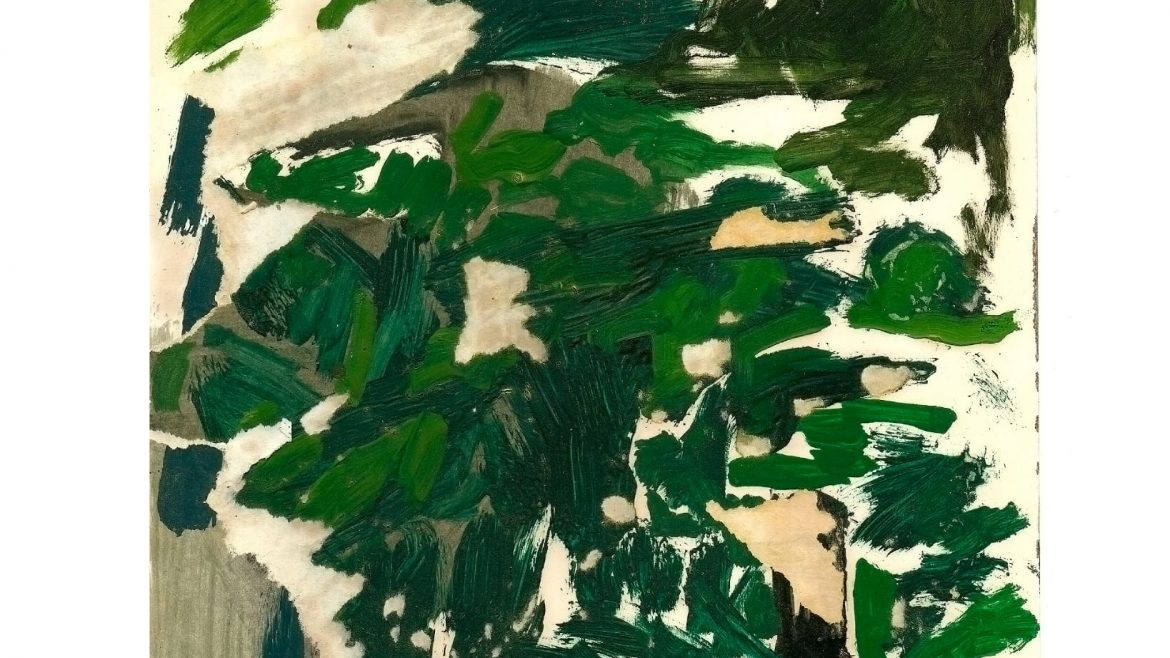
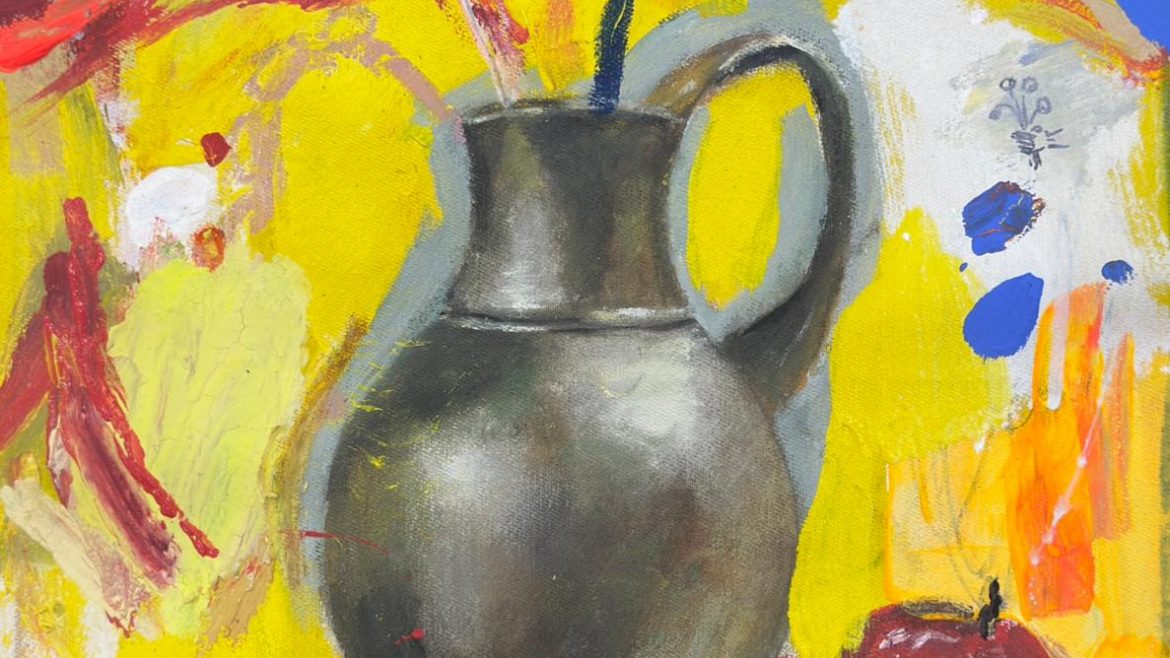
Javi Mosquera’s painting, analogous to Clément’s Third Landscape, is a wasteland where he can uproot, vandalize, appreciate and rearrange the elements present in reality and in his own imaginary, where there is no maintenance service to clean it or entry barriers to its reality: the absurd, memory, color, gesture, catastrophe and the ancestral, climate change or the ubiquitous image.

The language of light: we are color and form

1024 757 Info GN

The language of light: we are color and form. Sandra Mazoy.

Sandra Mazoy is a Mexican artist based in Madrid. Her approach to art comes from when she was a child, when she wanted to express an idea or feeling through painting and sculpture.

He studied graphic design, then entered the National Institute of Fine Arts and finally concluded his studies with a Master’s Degree in Art and Philosophy.

For 20 years she taught morphology and color in graphic design and industrial design, an experience that was decisive in her relationship with form and color. The exhaustive analysis of these two concepts gave birth in her a passion for observing them and to ask herself endless questions where in each answer she finds a composition.

As for the use of color, she has always liked to experiment with it, without conditioning, as she considers that all colors can coexist harmoniously creating different effects and environments, revisiting the work of artists such as Josef Albers. She considers that both color and form are means of communication that provoke feelings, alluding to different concepts, some general and others specific. This is where the personal perception of the viewer comes into play.

Her style is abstract and geometric. For her the raw material is the idea, objectified through the canvas. Her compositions are, in a way, autobiographical, they speak of her experiences, “but above all of my way of being, in my work you can appreciate the presence of my logical thinking, since in one way or another a formal understanding is achieved”.

At present, Sandra Mazoy gives an account of her profound relationship with the art that today exposes her in her most delicate intimacy, but to have reached the visual maturity of her artistic expression, she explains that during the 20 years of teaching practice she specialized in the subject of color, where she studied theoretical points of view from psychology or physics, especially analyzing exhaustively the characteristics of color such as tone, saturation, light and contrast, in addition to the chromatic circle, understanding the primary, secondary and tertiary origin of color from experience.

Through the characteristics of morphology and color he finds all the elements to give voice and image to his ideas. Regarding form, he plays with composition, overlapping, size, depth or transparency; regarding color, he makes use of all its properties: tone, saturation, contrast, luminosity or darkness among others.


Gary Hill

1024 768 Info GN

Gary Hill. Obliquo.

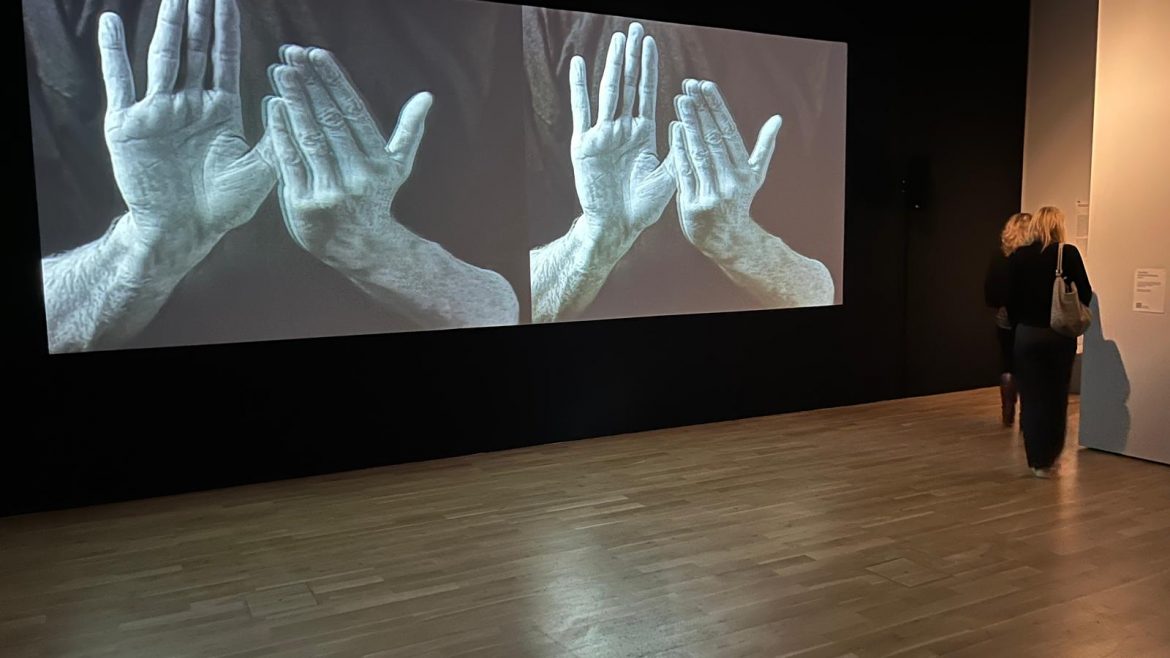
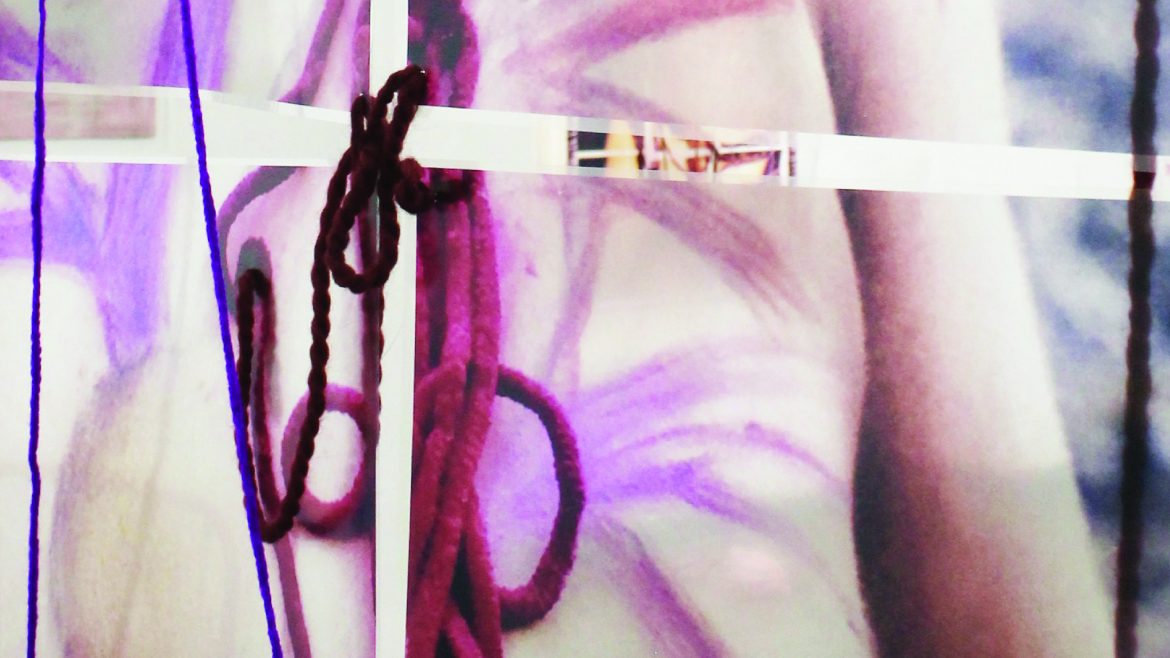
This Saturday at 12h we will be in Carabanchel coinciding with Art Week, where OBLIQUO inaugurates a special cycle of video creation with 2 pieces by art pioneer Gary Hill in two key cultural points of the capital:

1-15 MARCH | Twofold (Goats & Sheep) in Carabanchel (C. de Alejandro Sánchez, 94).
Opening Saturday 1 March at 12 noon.

12 MARCH – 2 APRIL | PACIFIER in Lavapiés (C/ Valencia, 17)
Opening Wednesday 12 March at 19h.

During the outstanding month of art, the new OBLIQUO space opens its doors to experimental video art with the most powerful artist of the scene.

The pioneer of experimental new media art, Gary Hill, is an American creator internationally recognized for exploring the relationship between language, the body, time and technology. Throughout his career, Hill has used digital and audiovisual media to investigate themes such as perception, communication and philosophy, often creating immersive, multi-sensory experiences for the viewer.

www.obliquo.art

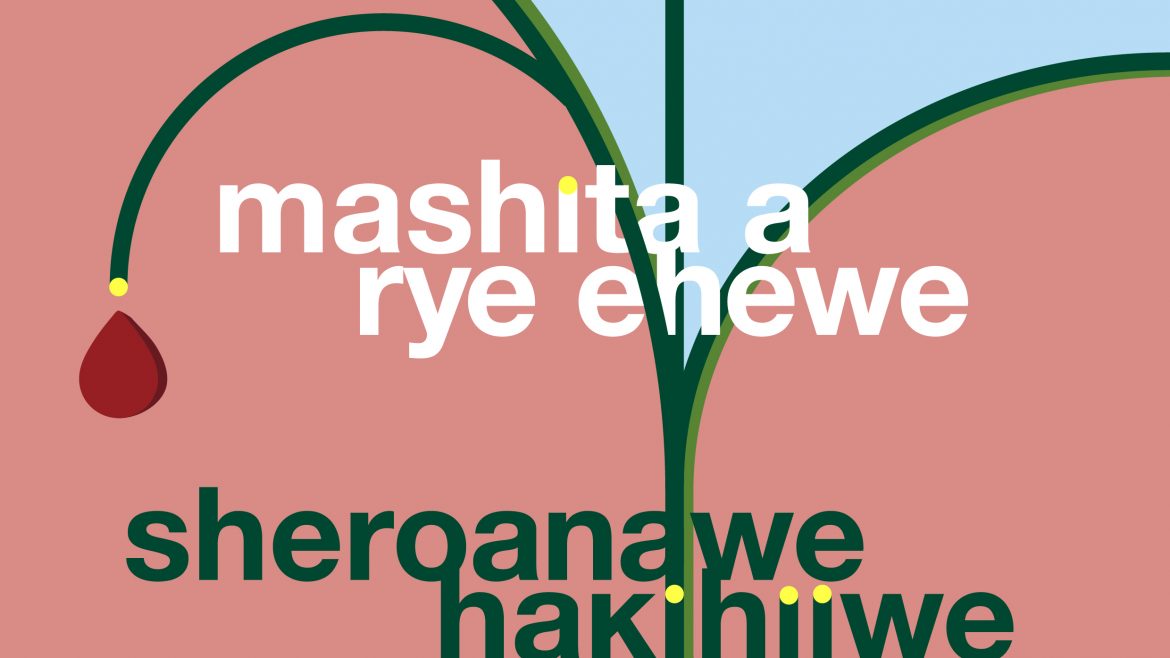
MASHITA A RYE EHEWE

1024 1024 Info GN

MASHITA A RYE EHEWE. Galería Airas Wang de Lafée (AWL).

AWL Airas Wang de Lafée is pleased to present “Mashita a Rye Ehewe”, a dual exhibition by Annalee Davis and Sheroanawe Hakihiiwe in Madrid, Spain. Text by Adriana A. Leanza.

Taking its title from Yanomami vocabulary-where mashita refers to land and rye ehewe means “good for planting”-the exhibition explores the fertility of the land as a vital, living entity. Davis and Hakihiiwe’s practices reflect on the complex relationship between land, memory, and colonial histories, addressing the ongoing impact of extractivist economies and displacement on both the environment and cultural heritage. Curated with words by Adriana A. Leanza, the exhibition invites viewers to reconsider their connection to the natural world through artistic practices that function as both witness and resistance.

Through delicate drawings, collages and mixed media works, Davis’s works examine the violent transformation of Caribbean landscapes under British colonial rule. Using old plantation ledger pages as canvas, his interventions trace the entanglements between monoculture economies and the depletion of soil fertility, proposing acts of reparation and atonement. In parallel, Hakihiiwe’s handmade paper works create a visual lexicon of Yanomami cosmology, preserving oral traditions and indigenous ecological wisdoms. Her depictions of plants, feathers and seeds form an evolving atlas of natural elements, affirming the urihi (forest-earth) as a sacred and interdependent space.

A recurring motif of red-traditionally associated with blood and fertility-is interwoven throughout the exhibition, symbolizing resilience, renewal, and the interconnected pulse between body and earth. Mashita a Rye Ehewe stands as a poetic invocation of place, memory and the permanence of ancestral knowledge, offering a space where art reclaims histories and envisions alternative futures of coexistence and restoration.

Evoking the land’s inherent fertility, the exhibition Mashita a rye ehewe invites us to perceive the forest and its ground as the seed of life. Drawing from Yanomami vision and vocabulary, where there is no distinct separation between the land and the forest, the term urihi designates a cosmological geography, that of the forest-land.

The forest-land is not an inert entity, nor is it entirely subject to the will of human beings. As a living organism, it possesses an essential image, an immaterial fertility principle (mashita a rye ehewe), as well as a vital breath (mishia), responsible for infusing plants and soil with the energy that sustains their essence.

But the colonial expansion and exploitation of Indigenous territories and land, reinforced by the imperialist and extractivist mindset of linear development and progress, revealed a profound rupture between the nape (non-Indigenous peoples) and the very earth that nourishes them, with significant repercussions on the fertility of that land.

The artistic practices of Annalee Davis and Sheroanawe Hakihiiwe within this exhibition acknowledge that any reflection on the land’s fertility is therefore intrinsically tied to the colonial history of violence, displacement and exploitation of Indigenous communities and resources. By reclaiming what remains of these layers of trauma (“The land remembers what we said and what we did”¹) their works are a testament to gestures of 1 preservation and restoration of natural ecosystems, standing as forms of resistance in themselves.

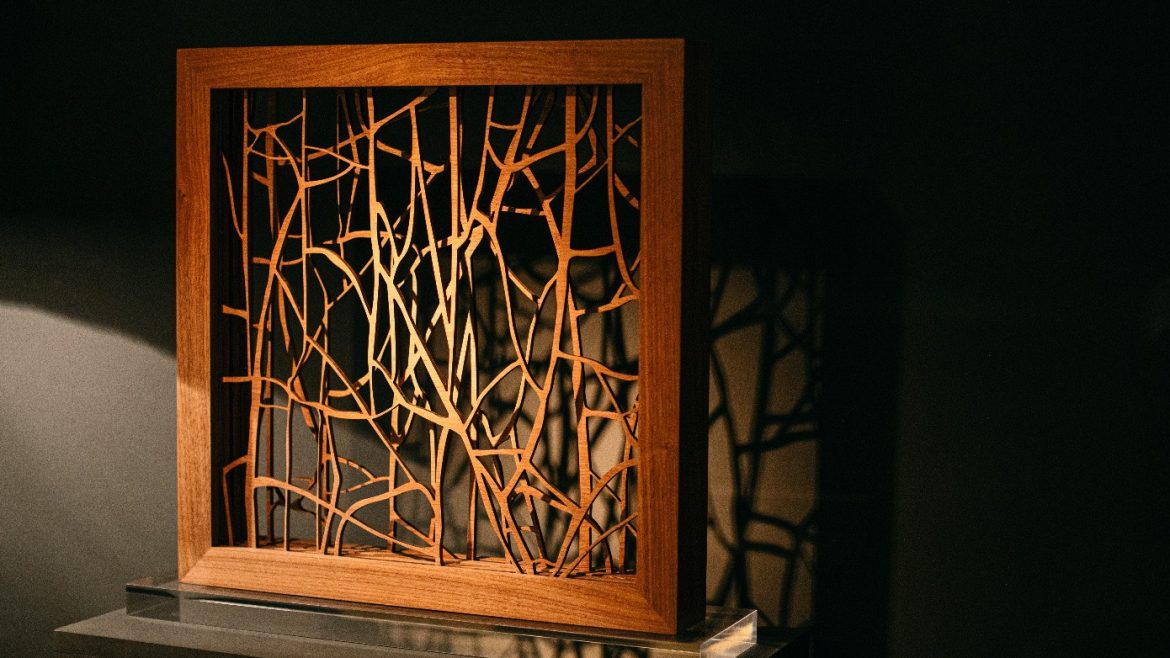
Annalee Davis’s practice examines the entanglements of landscapes violently reshaped by the the British colonial project of sugarcane plantation economy and enslavement in the Caribbean. Through delicate drawings and collages on old plantation ledger pages (Parasite Series, 2017; F is for Frances, 2026), as well as installation pieces (Small sugar cone, study, 2023; Sugarcone-A Motherplot, 2024; How to Know a Land, 2024), the works which comprise In the Sugar Gardens expand on the parasitic relationship between the colonization of the land and the impact on its fertility, encouraging multispecies and intimate connections as healing acts of repair and atonement.

Rooted in ancestral knowledge(s), Sheroanawe Hakihiiwe’s work preserves and renews Yanomami’s cultural, oral heritage. His drawings—created primarily on handmade paper from fibers like sugarcane and cotton—configure a visual glossary of his people’s cosmology. Weaving Indigenous storytelling with artistic abstraction, his compositions celebrate the vibrancy of his community’s traditions, ensuring their endurance for future generations. Through depictions of leaves, feathers, seeds and tree trunks, Hakihiiwe’s works act as an evolving atlas of plants, animals and natural elements. The artist challenges conventional binaries—life and death, human and animal, body and spirit— reasserting the intricate interdependence between humans and the forest-land.

Moving beyond its traditional symbolism of blood and fertility, the colour red weaves through Davis and Hakiwiiwe’s practices and guides us as a luminous thread. It braids stories of persistance, where body and land, water and seed, pulse together in a timeless rhythm of enduring accord. 

BIOS

Annalee Davis (Barbados, 1963) embraces her work as a visual artist through a hybrid practice, cultural activism and writing. Her work is situated at the intersection of biography and history, focusing on post-plantation economies through dialogue with a specific Barbadian landscape. Her studio, located on a working dairy farm that in the 17th century operated as a sugar cane plantation, provides a critical context for her work. Through drawing, walking, making bush teas and cultivating living pharmacies, Annalee’s practice proposes future strategies for repair and flourishing, while investigating the role of plants and living spaces as ancestral sites of resistance, alternative knowledge, community and healing.

Sheroanawe Hakihiiwe (Venezuela, 1977) is an indigenous artist residing in Platanal, a Yanomami community in the Upper Orinoco of the Amazonas state of Venezuela. Since the nineties he has been developing a work oriented to the rescue of the oral memory of his people, their cosmogony and ancestral traditions. From the drawing she develops a synthetic, concrete and minimal language about the vast and intense relationship that her community has with the landscape. These links permeate the personal and collective spheres, his work being a contemporary revision of the cosmogony and the Yanomami indigenous imaginary.

Adriana A. Leanza (Sweden, 1994) is a curator, writer and researcher based in London and co-founder of the curatorial collective Allél0n together with María Lucía Marcote García. Born in 2017 as an open digital correspondence experimenting with creative writing and speculative fiction, Allél0n has invited the participation of emerging interdisciplinary researchers, artists and friends called to collective and spontaneous thinking. Adriana has curated exhibitions and non-profit events to support emerging artists at the intersection of sound, visual and performative practice, gaining public funding from Arts Council England National Lottery Project Grants in 2021. Adriana holds a BA in Architecture from the University of Trieste, Italy (2016), an MA in Advanced Studies in Art History from the University of Barcelona, Spain (2018) and an MA in Art Praxis from the Dutch Art Institute, ArtEZ University of the Arts (2023).


GALLERY VISION

AWL Airas Wang de Lafée is a contemporary art space located in Girona that opened its doors on May 5, 2024. The gallery aims to prioritize the voices of artists who sensitively address postcolonial realities and their identity politics, reevaluate traditional processes and collective knowledges; analyze political economies from an anthropogenic perspective; and explore the inherent blurring between the natural and the artificial in post-digitality. We connect the gestures presented in the gallery with their environment, framing them within a vernacular narrative of history, architecture and design, gastronomy, landscape and craftsmanship.

With a careful selection of artists whose works awaken social conscience, we position ourselves as a meeting point for those who seek to understand and confront the challenges of our time. Through creativity, we explore themes such as diversity, equality, social justice and identity, inviting our audiences to reflect on their role in building a more inclusive and compassionate society based on respect and tolerance.

______________________________________________

¹Robin Wall Kimmerer, Braiding Sweetgrass: Indigenous Wisdom, Scientific Knowledge, and the Teachings of Plants, 2013.

Trajectories

1024 1024 Info GN

Trajectories. Galería Arteria.

The exhibition ‘Trajectories’ invites us to reflect on the unique path that each human being follows in life. Each of us, from the moment we are born, is destined to a particular trajectory, shaped or not, by decisions, encounters and experiences.

In particular, Arteria Gallery wants to interweave the trajectories of its artists, who come from different parts of the world such as Brazil, New York, Paris, Santiago, Barcelona or Athens, revealing how art transcends borders. These trajectories, which intersect and influence each other, reflect the political dimension of their paths, as they show how cultural exchange and Art promote and favour profound transformations. Art, like the sacred, connects us with a universal consciousness, and Arteria materialises these encounters of different paths. It is a space where differences become bridges and where artistic creation acts as a bond of union and dialogue, revealing that, in the universe of Art, there are no limits or barriers.

The artists present here are much more than creators; they are sorcerers who, with their work, connect with a deep and ancient wisdom. They perceive the invisible essence of these trajectories, unravelling the threads that connect us with destiny, intuition and mystery. In ‘Trajectories’, each artwork is a portal to a world where the lines of life can be redrawn, questioned or celebrated.

This exhibition reminds us of a fusion between the mystical and the tangible, artists and Art itself, stand as guides, revealing to us that the journey, rather than the destination, is where the real magic lies. Art has the power to change society, salvific. In our new exhibition ‘Trajectories’, the first in Madrid, we invite everyone to let themselves be carried along the path of -and to- Art. “Because if nothing is eternal, Art is eternal, love is eternal” – L’amour Fou, André Breton.

From the heart

1024 685 Info GN

From the heart. Shigeru Tanaka.

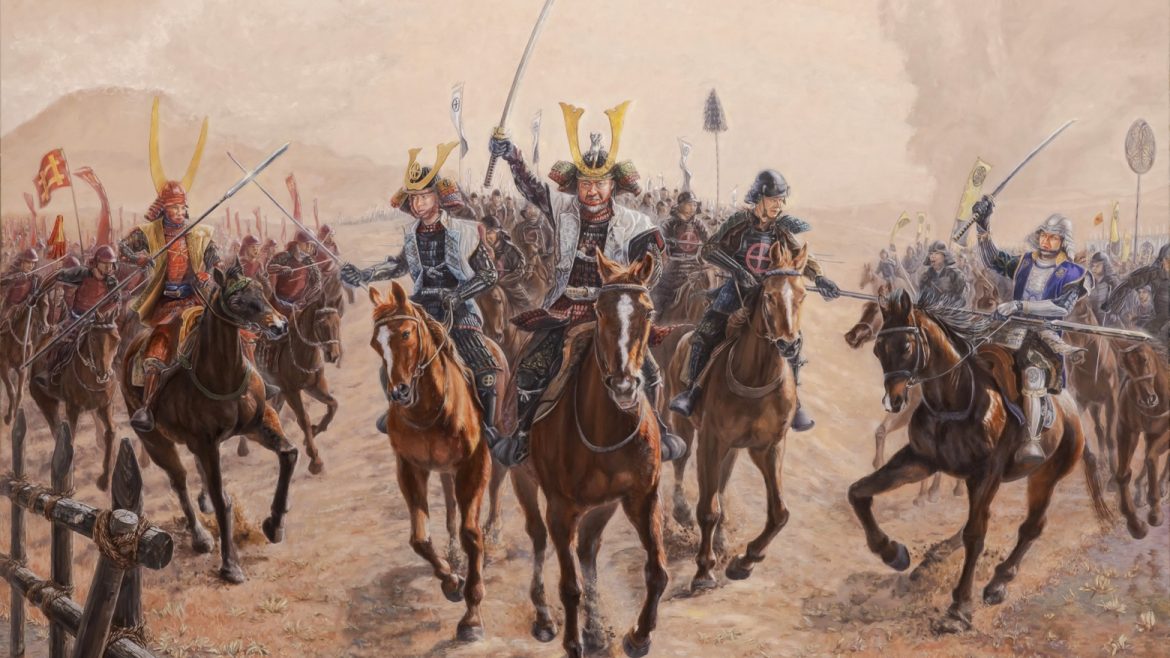
The first solo exhibition in Spain of the pictorial production of the Japanese artist Shigeru Tanaka, a renowned painter of Japanese realist figuration.